 Terrace Organics
Organic Food & Nutrition
Understanding the benefits, costs, and everyday choices behind an organic diet — plus practical tips for shopping smarter.
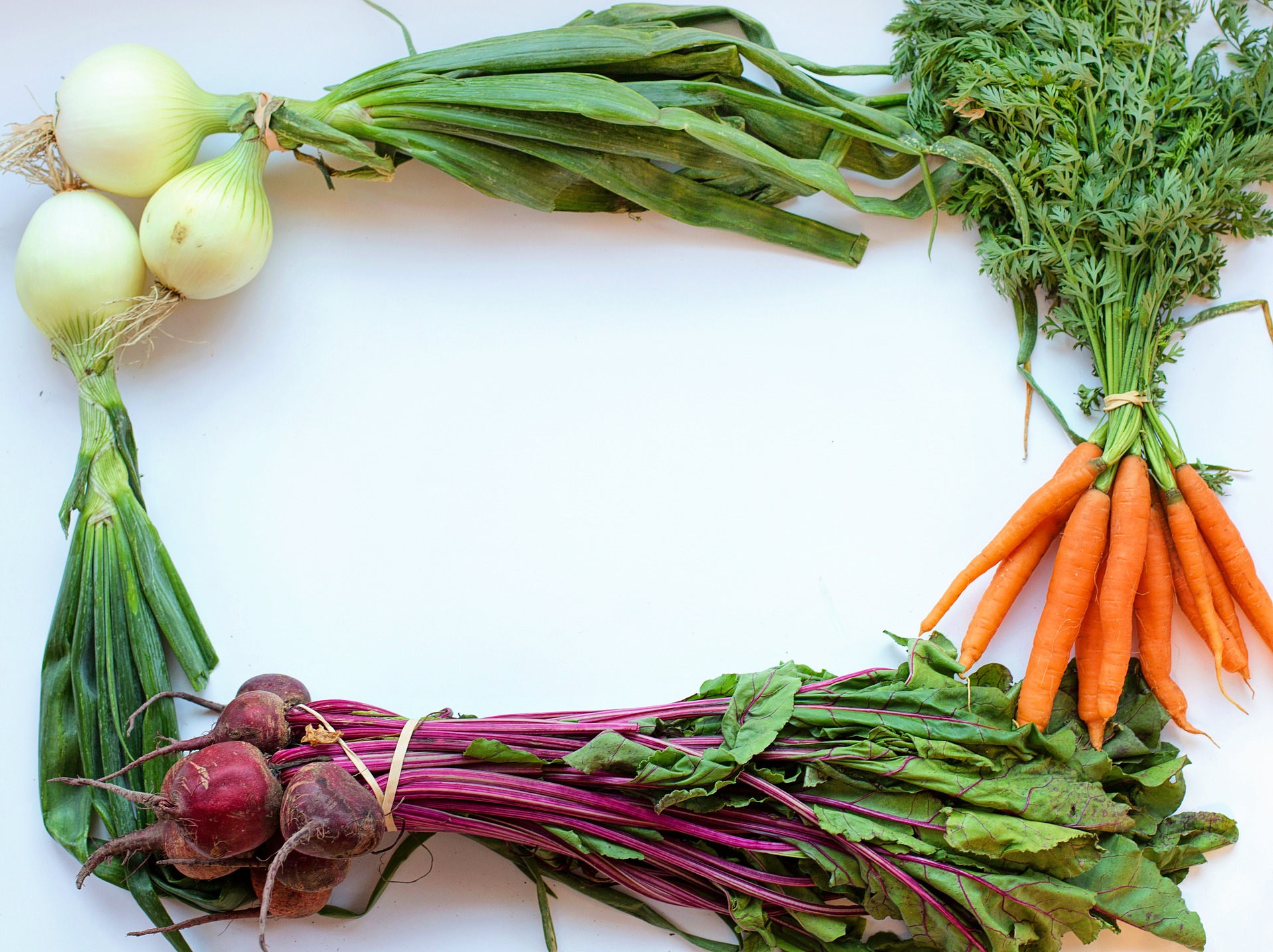
Benefits of Organic Foods
Choosing organic means reducing exposure to synthetic pesticides and additives. Many people find that organic produce offers richer flavor and higher levels of certain antioxidants. Beyond personal health, organic farming supports soil vitality and biodiversity — a win for both body and planet.
Incorporating more organic fruits, vegetables, and grains into daily meals can be a straightforward step toward a cleaner, more mindful way of eating.

Why Are Organic Foods So Expensive?
Organic farming typically involves more labor-intensive practices, stricter certification requirements, and lower yields than conventional agriculture. These factors contribute to higher retail prices. Supply chains for organic goods are also less established, which can drive up distribution costs.
Still, many shoppers find that prioritizing certain organic items — such as those on the "Dirty Dozen" list — helps balance budget and health goals.
Choosing organic produce is one of the most direct ways to reduce your exposure to synthetic pesticides and artificial additives commonly found in conventionally grown foods. Many consumers report that organic fruits and vegetables taste fresher and more vibrant, likely because the soil in which they are grown is managed with natural fertilizers and composting methods that enrich mineral content. Beyond personal wellness, organic farming practices contribute to healthier ecosystems by promoting biodiversity, protecting pollinators, and reducing chemical runoff into waterways. Making the switch to organic does not have to happen overnight; even incorporating a few key organic items into your weekly grocery routine can make a meaningful difference for both your body and the environment.
Navigating the grocery aisle can feel overwhelming when trying to distinguish organic from conventionally grown options. A helpful approach is to prioritize organic choices for items where you eat the skin or peel, such as berries, leafy greens, and apples, as these tend to retain more pesticide residues. For produce with thick, inedible skins like bananas or avocados, conventional options may be less of a concern. Seasonal eating also plays a role in affordability, as locally grown organic produce during peak harvest times often costs less than imported alternatives. Building relationships with local farmers at markets can further help you access fresh, organic ingredients while supporting sustainable agriculture in your own community.
Organic eating extends beyond fruits and vegetables to include grains, herbs, spices, and even beverages like tea. These items are often grown using methods that avoid synthetic chemicals and prioritize soil health, which can influence both their nutritional profile and flavor complexity. Whole organic grains provide essential fiber and minerals that support digestive health and sustained energy levels throughout the day. Herbs and spices grown organically tend to retain more of their natural essential oils and antioxidants, making them a flavorful addition to any meal. Incorporating a variety of organic plant foods into your diet helps ensure a broad spectrum of nutrients while reducing the overall chemical burden on your body's systems.
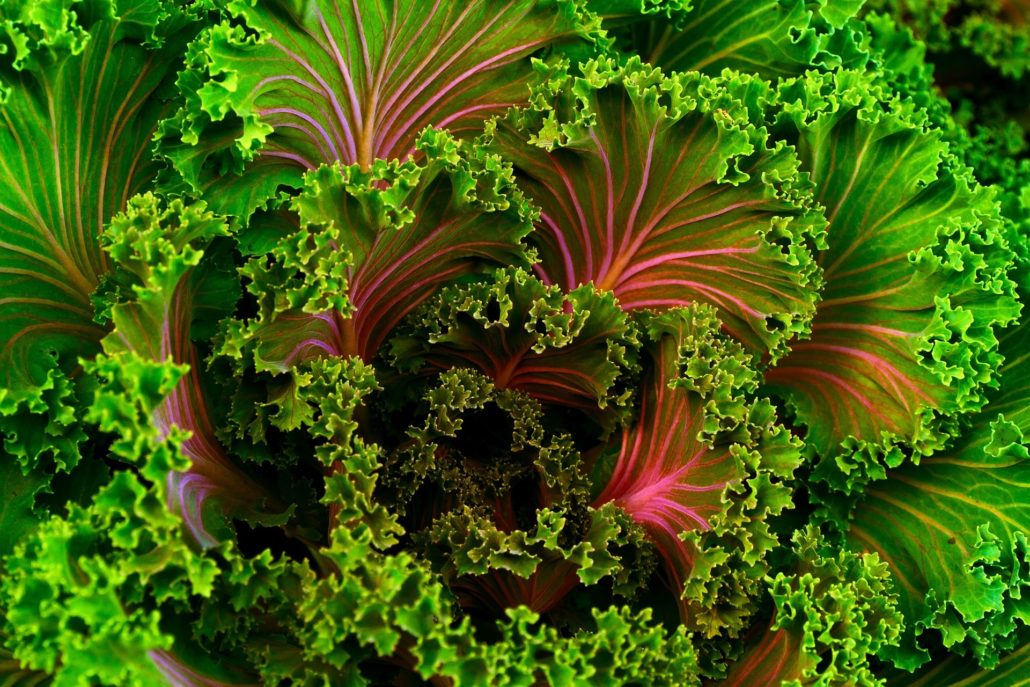
Organic Foods: Disadvantages?
An organic diet isn't without trade-offs. Organic produce can spoil faster without synthetic preservatives, and availability may be limited depending on season and region. Some organic packaged foods can still be high in sugar, salt, or calories — the organic label alone doesn't guarantee a product is nutritionally superior.
Being an informed reader of labels and ingredient lists remains essential, whether a product is organic or conventional.

Organic Grocery: Tips
Shop seasonally to get the best prices on organic produce. Visit farmers' markets where local growers often follow organic practices even without formal certification. Buying in bulk — grains, legumes, nuts — can also reduce costs significantly.
Plan meals around what's fresh and available, and don't overlook frozen organic fruits and vegetables; they're picked at peak ripeness and retain excellent nutritional value.
Explore More on Organic Food
Dive deeper into the topics that shape how we think about organic eating and nutrition.
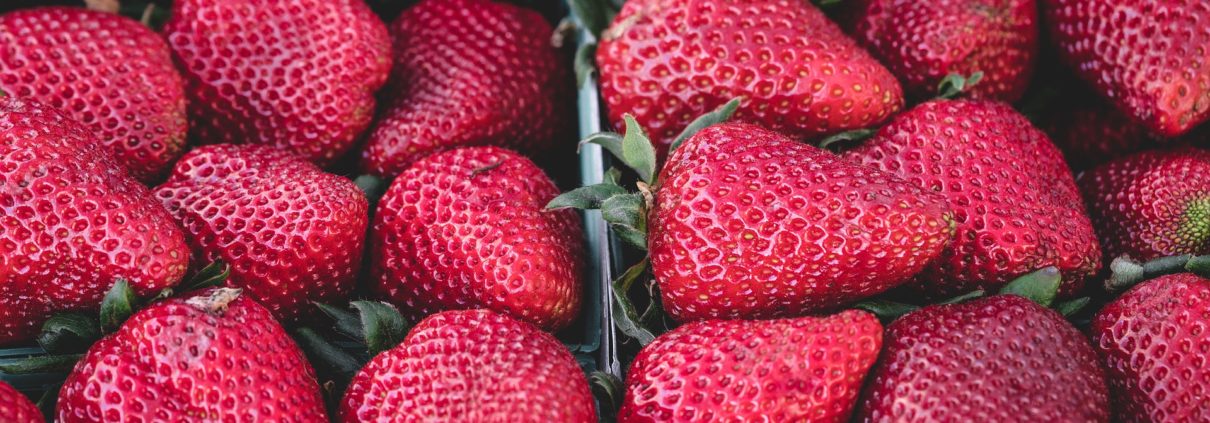
Organic Foods: Benefits
A closer look at how organic choices can positively impact your health and the environment.
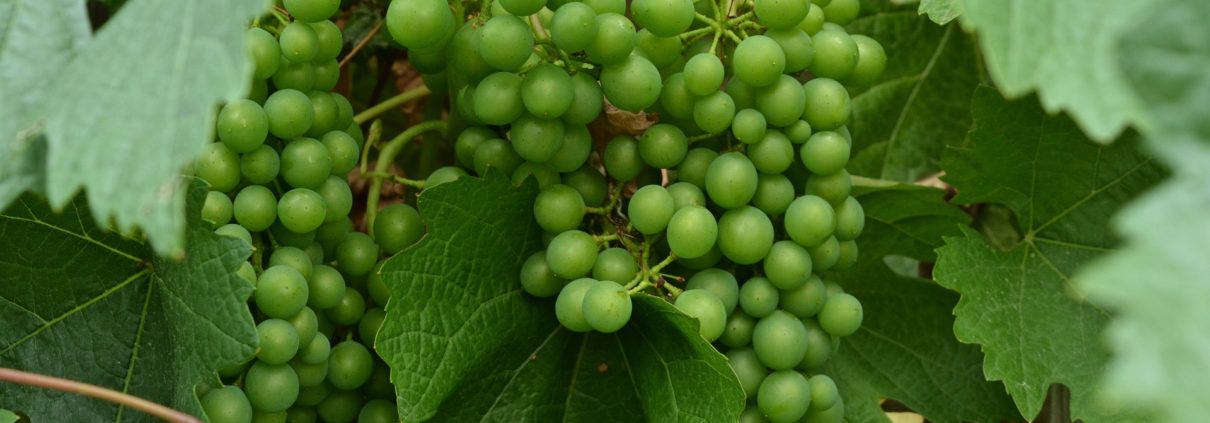
Herbs: Health Benefits
Discover how culinary and medicinal herbs contribute to a well-rounded organic lifestyle.

Best Books for Organic Foods
Recommended reading to deepen your knowledge of organic nutrition and sustainable eating.